Interview with Jon Montgomery
By Quinn Martindale ‘27, Editor-in-Chief; Edited by Safiya Ahmed ‘27, Editor-in-Chief
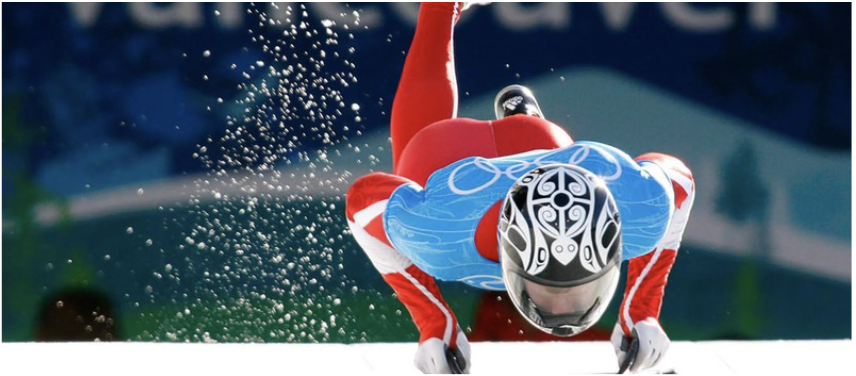
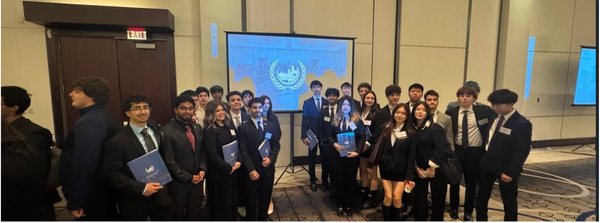
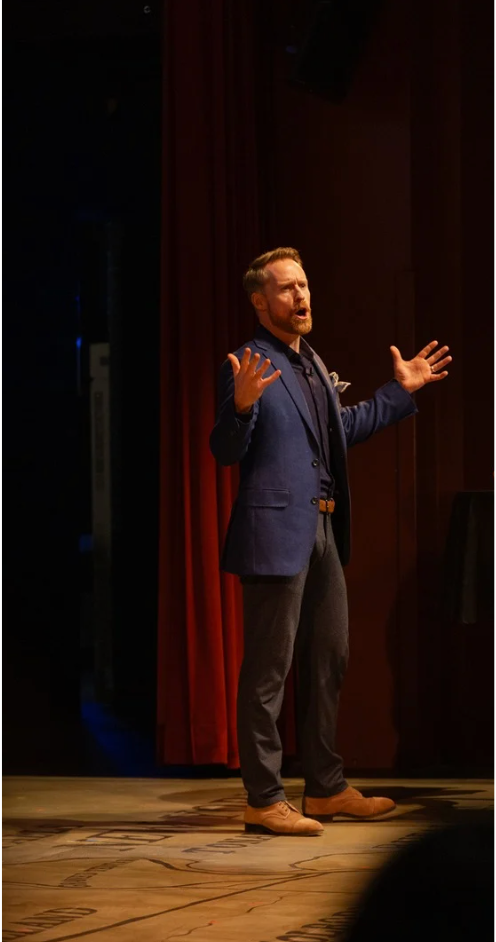
In December, The Tiger Times had the opportunity to sit down with legendary Canadian Olympic gold medalist, host of The Amazing Race Canada and second MGI Gordon speaker, Jon Montgomery. The Tiger Times had a chat with Mr. Montgomery about what his experience in the 2010 Vancouver Olympics was like, how he got into the sport of skeleton racing, and how he strives to give 110% in all aspects of life.
What inspired you to pursue something as niche as skeleton?
Skeleton is about as niche as it gets. For me, it was a process of elimination. After university, I moved to Calgary and wanted to engage in a sport that could be a vehicle on my journey to represent Canada. That was the ultimate goal: wearing the Maple Leaf on an international stage.
I tried speed skating first, then I saw a skeleton race. I didn’t even know what I was witnessing at first—I thought it was an accident! But a week later, I took my first run, and I knew this was it. It was going to be hard, full of trials and tribulations, but I loved it enough to embrace the work ahead.
So, representing Canada was always the ultimate goal?
Absolutely. Whether it was the World Cup, Europa Cup, or the Olympics, I wanted to compete internationally. The Olympics were the big dream, but even reaching a smaller stage would have been fulfilling.
What was your journey like to reach that level?
You never know where any road will lead. Life plans change constantly. The key is doing things that scare you and stretching yourself beyond your comfort zone.Every hard thing you do teaches a lesson—even if you fail.
I applied lessons from hockey, baseball, and golf to skeleton. I observed others, identified my weaknesses, and asked myself, “Why not me?” If a friend of mine could win Olympic gold, why couldn’t I? That mindset rooted my goals in reality.
It’s about stacking experiences—using previous skills and adapting them to new challenges. That compounding effect makes the journey less overwhelming.
Did comparing yourself to others help or hurt?
Comparison can be the thief of joy, but it depends on your perspective. If you compare out of entitlement—thinking you deserve what someone else has—that’s toxic. But if you see comparison as proof of what’s possible, it can be motivating.
Ask, “Why not me also?” If they can do it, it’s achievable. Give everything you have, and if you fall short, you’ll know you tried. That’s a healthy way to frame comparison.
What was it like competing at the 2010 Winter Olympics in Canada?
There was added pressure, but I viewed it as support rather than expectation. I was intent on being present and savoring every moment, knowing I’d never get another chance to compete at a home Olympics.
I didn’t internalize Canadian interest as pressure. I saw it as energy. People wanted us to succeed, but even if we fell short, we’d still be loved. That perspective helped me perform at my best.
How has being an Olympian prepared you for hosting The Amazing Race Canada?
I’m just the visible part—the tip of the iceberg. The real leadership comes from producers and showrunners. My role is connecting with racers on their most intense day.
Sometimes I coach them—especially when they think they’re eliminated but aren’t. I want them to dig deep and show Canadians what they’re made of. Curiosity is my greatest asset. I love asking questions and learning about people. That authenticity comes through on screen.
Final thoughts—what’s your personal motto?
“Get ’er done. Believe it’s possible.” Confidence isn’t something you hope for; you build it. Believe, then act..